A practical guide for landlords who want less stress from their rental property
Owning a rental property can seem simple at first: find a tenant, collect the rent and fix the odd repair when needed. In reality, it can quickly become a lot to manage, especially when tenants need support, repairs need chasing or rental rules change.
So, what does a property manager do? A property manager looks after the day-to-day running of a rental property on behalf of the landlord. This can include tenant communication, rent collection, repairs, inspections, records and support with key compliance steps. For landlords in Derby, this can be useful if you manage more than one property, live outside the area, own an HMO or rent to students near the city centre or the University of Derby.
What Are Property Managers?
Property managers are professionals who help landlords manage rental homes, flats, HMOs, student lets and property portfolios. Their job is to keep the tenancy organised and the property running properly. A good property manager is not only there when something goes wrong. They help prevent small issues from becoming larger problems by keeping communication clear, arranging checks, tracking rent and making sure important tasks are not missed.
For example, if a tenant reports a leak, the property manager can speak to the tenant, contact a contractor, update the landlord and keep a record of the repair. That gives the tenant a clear point of contact and saves the landlord time. Arboretum Lettings provides property management in Derby for landlords who want practical help with the daily work involved in renting out a property.
What Do Property Managers Do Day to Day?
What do property managers do in a normal week? The exact duties depend on the property and tenancy, but most property management services cover the same core areas. A property manager may help with:
- Advertising the property and arranging viewings
- Referencing or screening tenants
- Preparing tenancy paperwork
- Collecting rent and monitoring arrears
- Arranging maintenance and repairs
- Carrying out property inspections
- Handling tenant questions
- Keeping useful records for the landlord
- Supporting compliance tasks
The main benefit is structure. Instead of the landlord reacting to every message, missed payment or maintenance issue, the property manager keeps the tenancy moving in a more organised way.
Do Property Managers Find and Screen Tenants?
Many property managers can help landlords find suitable tenants. This can include marketing the property, speaking to applicants, arranging viewings and carrying out checks before the tenancy begins.
Tenant screening matters because the wrong fit can lead to late rent payments, avoidable damage or extra stress. A careful vetting process helps reduce that risk.
For landlords, the aim is not simply to fill the property quickly. It is to find a tenant who suits the property and understands their responsibilities from the start.
Do Property Managers Collect Rent and Deal With Arrears?
Rent collection is one of the most common property manager responsibilities. A property manager can track payments, send reminders and let the landlord know if rent is late.
If arrears start to build, clear communication is important. A property manager can speak with the tenant, keep written records and help the landlord understand the next sensible step.
Not every late payment becomes a serious issue. Often, early contact helps stop a short delay turning into a bigger problem.
Do Property Managers Arrange Repairs and Inspections?
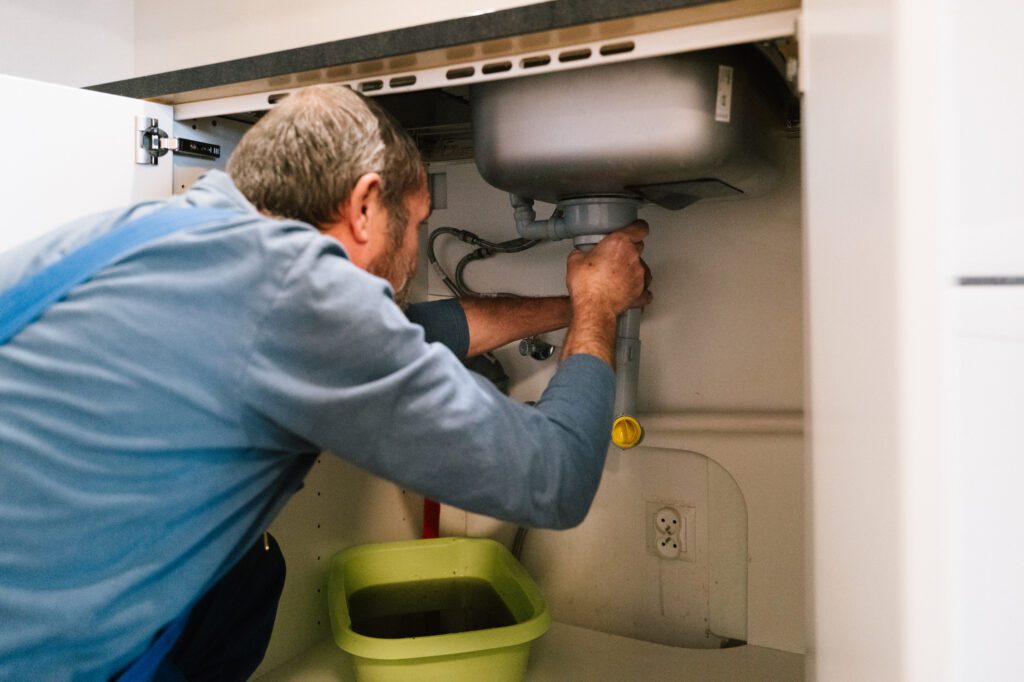
Repairs are one of the biggest reasons landlords choose rental property management. Tenants need a simple way to report problems, and landlords need repairs handled without constant back-and-forth. A property manager can contact contractors, arrange access, check progress and update both sides. They may also carry out routine inspections to spot problems early.
For example, a small damp patch, loose handrail, or faulty extractor fan may not seem urgent at first. If ignored, it can become more expensive and affect the tenant’s experience.
What Does a Property Manager Do? In Brief
A property manager looks after a rental property for the landlord. Their duties can include finding tenants, collecting rent, arranging repairs, handling inspections, managing tenant communication, keeping records and helping the landlord stay on top of key responsibilities. They act as the main day-to-day contact between the landlord, tenant and contractors.
What Does a Property Manager Do for Landlords?
For landlords, a property manager helps protect time, rental income and the condition of the property. They act as the organised middle point between the landlord and the everyday tasks involved in managing a tenancy. You may find property management useful if you:
- Work full time and cannot respond quickly to tenant issues
- Own several rental properties
- Live outside Derby
- Manage a student let or HMO
- Want help with records, repairs and communication
- Prefer tenants to have a clear local contact
A landlord can still stay involved in key decisions, such as approving larger repairs or reviewing tenancy options. The property manager simply handles the routine work that keeps the tenancy on track. Arboretum Lettings is a Derby letting agency supporting landlords, tenants and property investors. You can learn more about the company’s wider letting support through the Arboretum Lettings website.
Is a Property Manager the Same as a Letting Agent?
Although there can be a lot of crossover between a property manager and letting agent, they are not always the same thing. A letting agent may help find a tenant and set up the tenancy. A property manager usually looks after the property once the tenant has moved in.
Some letting agencies, like Arboretum Lettings, support both parts of the process. This means a landlord can get help with marketing, tenant enquiries, move-in steps and ongoing management.
The right choice depends on how much support you want. Some landlords only need help finding tenants. Others want a managed service where rent, repairs, inspections and tenant contact are handled for them.

Do Property Managers Help With Landlord Compliance?
Property managers often help landlords keep on top of key compliance steps, although landlords should always understand their own legal responsibilities too.
This may involve reminders, records or practical support around deposit handling, safety checks, tenancy documents and property standards. For example, landlords in England and Wales must protect most assured shorthold tenancy deposits in a government-approved scheme.
This is one reason organised property management matters. Missed dates, poor records or unclear communication can cause avoidable problems for both landlords and tenants.
What Does a Property Manager Do for Tenants?
Tenants benefit from good property management too. They know who to contact, how to report repairs and what to expect during the tenancy.
A property manager can help tenants with moving-in questions, maintenance reports, inspection arrangements, rent queries and end-of-tenancy steps.
This can make renting feel more straightforward. Tenants are also more likely to report issues early when communication is clear, which helps landlords protect the property.
When Should a Landlord Use a Property Manager?
A property manager may be worth considering when the day-to-day work starts taking too much time or when the risk of missing something feels too high.
You may benefit from support if you are spending evenings chasing repairs, checking rent, answering tenant messages or trying to keep up with changing rental rules.
It can also be useful for student accommodation, shared housing or HMOs, where there may be more tenant movement, more communication and more regular upkeep.
The key question is simple: would your rental property be easier to manage with a reliable local team handling the routine work?
Local Property Management Support in Derby
Derby has a varied rental market, from family homes and professional lets to student properties and shared housing. A local property manager understands the area, tenant expectations and the practical issues that can come with managing homes nearby.
That local knowledge can help with realistic rental advice, contractor access and quicker communication when something needs attention.
If you are a landlord and want to talk through your options, you can contact Arboretum Lettings for clear guidance on the next step.
Is Property Management Worth It?
A property manager helps take the pressure out of being a landlord. They can deal with tenant contact, rent collection, repairs, inspections and useful records, giving you a more organised tenancy and fewer tasks to handle yourself. For some landlords, the biggest benefit is time. For others, it is knowing tenants have a local team they can contact when help is needed.
If you own a rental property in Derby and want practical support, speak to Arboretum Lettings. Our team can explain your options clearly and help you choose the right level of property management for your property.